
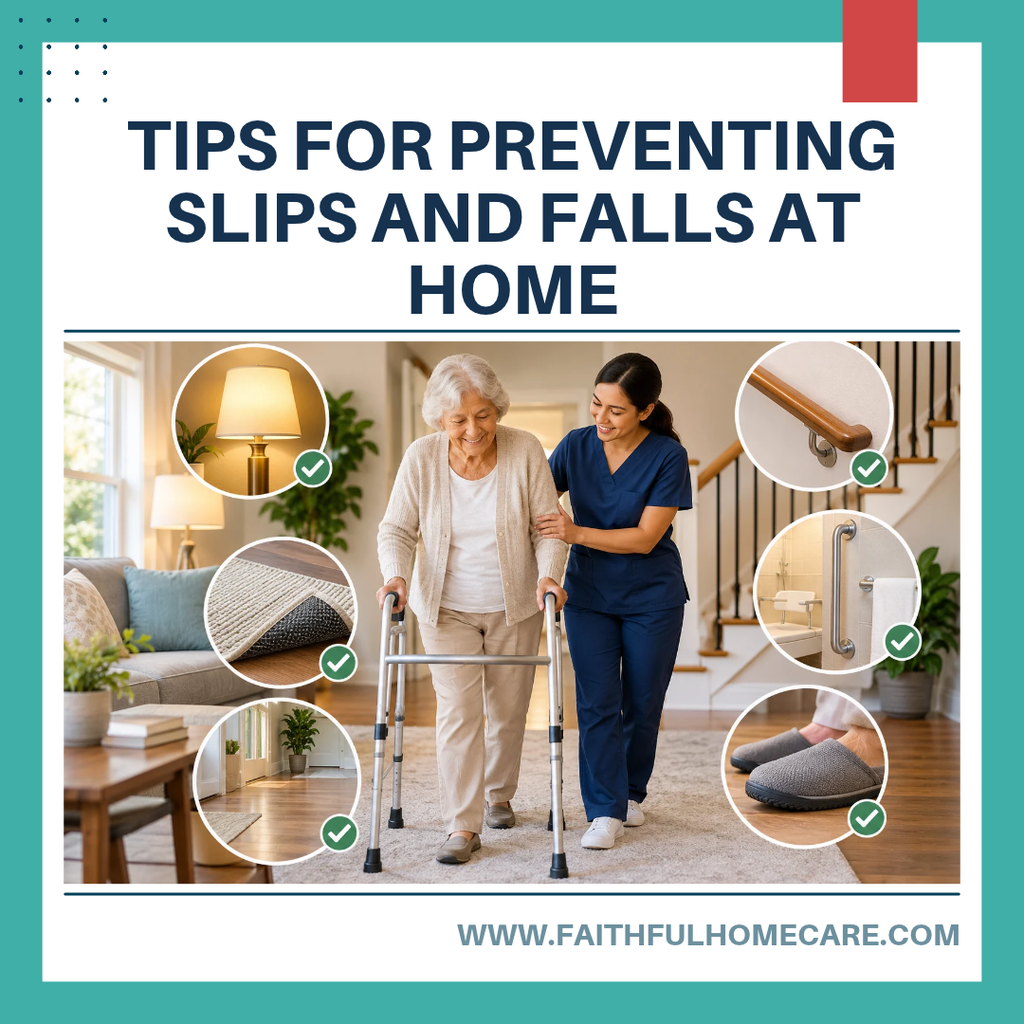
Slips and falls are the most common cause of injuries in the home. They can happen anytime, anywhere, and to anyone, but seniors are especially at risk for slips and falls.
In 2019, over 34,000 people aged 65 and older died due to falls, making them the leading cause of injury death for that age group, according to a study by the Centers for Disease Control and Prevention (CDC).
As we age, the risk of falling increases. When seniors fall, they are more likely to suffer from serious injuries and even death. The good news is that falls can be prevented and many people who have suffered from a fall are able to recover quickly with the help of their family and friends.
Here are some tips for preventing falls in your home:
Keep Floors Clean and Clear
- Keep floors clean. Sweep floors often with a damp mop or broom to remove dirt, dust, and debris that can cause slippery surfaces. Remove rugs from high-traffic areas where they may collect dirt or become wet from spilled food and beverages.
- Keep floors clear of clutter. Put away shoes and other objects that could cause someone to trip, particularly near stairways and areas where people sit or stand.
- Wear shoes with good traction. Choose footwear that provides a firm grip on slippery surfaces, such as tile or hardwood floors. Avoid high heels and footwear that offers inadequate support.
- Install night lights in dark areas. If you or a loved one has trouble seeing, add night lights in areas such as hallways, basements, laundry rooms, and bathrooms to improve visibility at night or in the early morning.
- Use non-slip pads under furniture legs. Secure furniture that might slide or move unexpectedly. Check bathroom furniture and other items that could shift when someone uses them for support.
- Repair damaged floors and stairs immediately. Loose floorboards, damaged steps, and missing stair treads can cause serious injuries and should be repaired promptly.
- Clean up spills quickly and thoroughly. Wipe up spills immediately to prevent slippery surfaces. Make sure the floor is completely dry before walking over it.
Make Stairways and Bathrooms Safer
- Install handrails along stairways. Secure handrails can provide additional support when going up or down stairs.
- Install grab bars in bathrooms. Place securely mounted grab bars near the bathtub, shower, and toilet to help provide stability during bathing and other bathroom activities.
- Use safety gates if young children are present. Consider installing appropriate safety gates at the top and bottom of stairways to help prevent young children from accessing hazardous areas.
Prevent Outdoor Slips and Falls
- Clear ice and snow from walkways. During winter, remove ice and snow from walkways, front steps, back stairs, and decks before they accumulate. Keep pathways well-lit and free of obstacles.
- Keep rugs and carpets in good condition. Secure loose rugs so they do not bunch up under furniture or create tripping hazards. Replace worn carpets that no longer provide adequate traction.
- Wear appropriate outdoor footwear. Choose shoes with slip-resistant soles when walking outdoors in rainy or snowy weather, as wet and icy surfaces can increase the risk of falls.
Falls can cause serious injuries, including broken bones and head trauma. Taking simple precautions around the home can help reduce these risks and make everyday activities safer for older adults and their families.
If you have elderly loved ones living with you who might be at risk for falls, talk to their doctor about their risk factors for falls and what can be done to help prevent them from happening in the first place.
Learn more about how to prevent falls at STEADI-Older Adult Fall Prevention.